






 Settings
 Fast Delivery
 Free Shipping
 Incoterms
 Payment Types


 Marketplace Product

Lichee Pi Linux Board Rivals the C.H.I.P. - Based on the AllWinner A13
2017-02-02 | By Maker.io Staff
Just as we thought we wouldn’t see any more Pi boards for 2016 another one pops up on the radar – Lichee Pi. This board is based on the AllWinner A13 single core Cortex A8, which is the same processor uses in the $9 C.H.I.P. board, with 512MB of RAM, 4GB built-in eMMC storage and includes WiFI and Bluetooth using a RealTek RTL8723BU.
The board is manufactured by a far east company in China and it is still in its infancy. There is some limited documentation available in English on the Linux-Sunxi website as well as elecfans.com in Chinese.
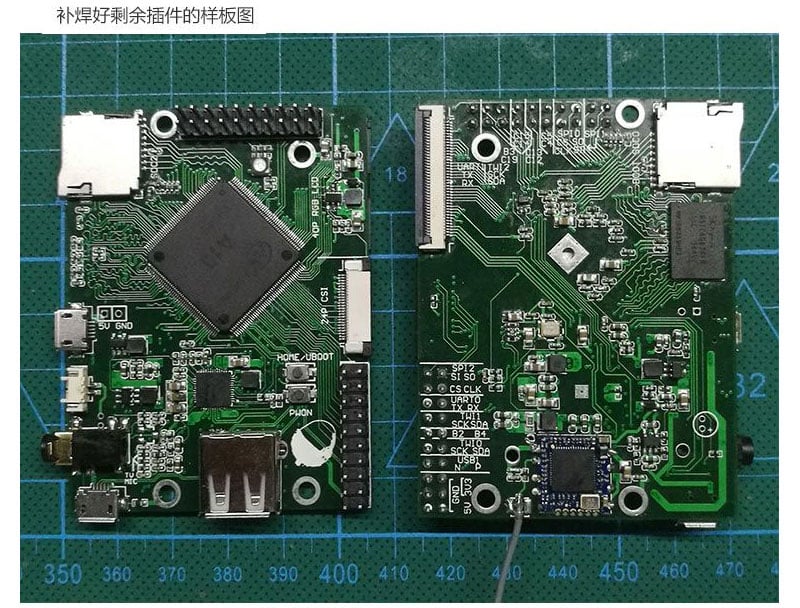
Figure 1: Lichee Pi One Development Board
Lichee Pi One Board Specification:
- SoC – Allwinner A13 ARM Cortex A8 processor @ 1.0 GHz with Mali-400 GPU
- System Memory – 512MB DDR3 RAM
- Storage – 2x micro SD slot
- Display Interface – 40-pin RGB LCD connector, with 8080 interface, VGA and LVDS supported via add-on board
- Camera – 24-pin CSI interface
- Audio – 3.5mm audio jack
- Connectivity – Optional 802.11 b/g/n WiFi and Bluetooth via RTL8723BU module (Multiplexed with USB 2.0 host port)
- USB – 1x USB 2.0 host port, 1x micro USB OTG port, 1x micro USB port for power only
- Expansion – Two 20-pin headers with 9x GPIO, 3x I2C, 3x UART, 3x SPI, etc…
- Misc – RGB LED
- Power Supply – 5V via micro USB port or 2-pin header, LiPo battery via miniJST connector
- Dimensions – Est. 75 x 55 mm
The Lichee Pi board can run Android or Linux distributions such as Debian or Ubuntu, which you can find on their GitHub page. The specification and target market Is very similar to companies such as Orange Pi or Banana Pi. If the documentation can be in English and is very clear a concise then there is no reason why this can’t be a successful board in the global market. The Lichee Pi was being funded through a crown funding website in China and was being sold for as little as $5.
What’s also great about this board is that it will be available without the connectors soldered on to the board such as USB, GPIO header etc this could be a unique selling point and perfect for discrete projects where space is limited. You often find users de-soldering parts on their Raspberry PI to make it fit into a project box.









 Netherlands